

Three speaking barriers—and a practical way to work on each
Fear of mistakes, limited ideas and slow retrieval need different exercises. Identify the barrier before adding more practice.
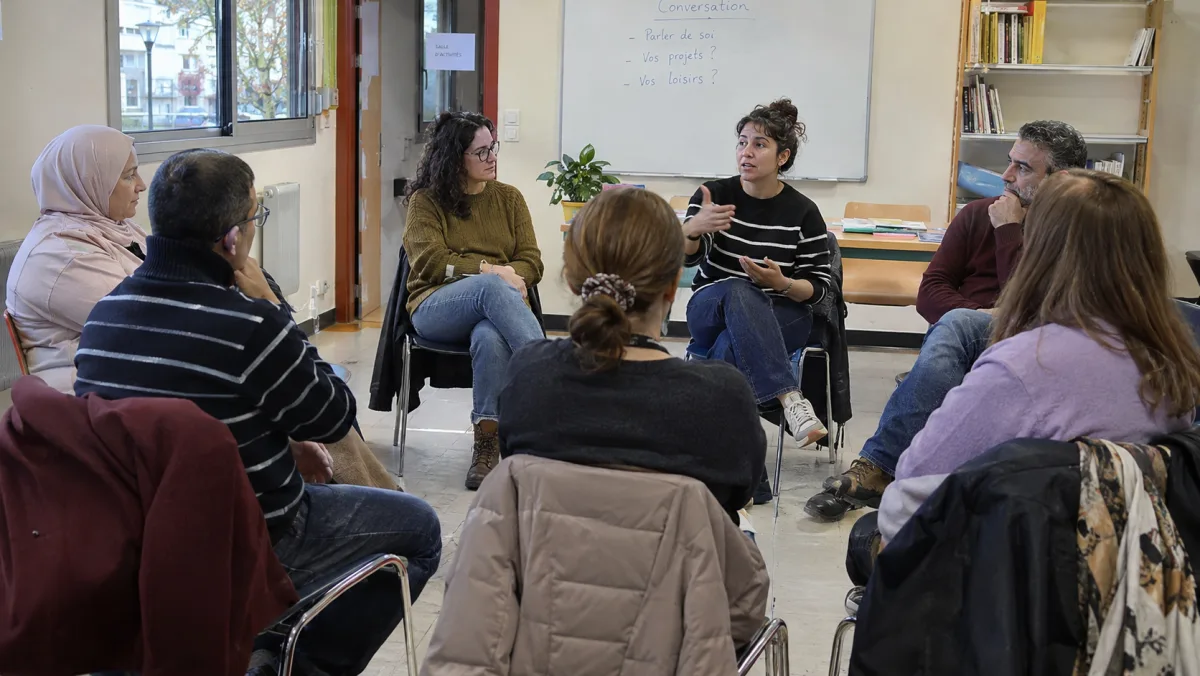
Not speaking can have different causes. You may know what you want to say but fear making a mistake, have language available but no idea to develop, or need too long to retrieve familiar words.
Identify the barrier before choosing the exercise. Confidence, ideas and retrieval need related but different kinds of practice.
When fear stops the first sentence
Start with a low-pressure exchange about familiar information. Agree with a partner that corrections will come after the short conversation, rather than interrupting every sentence. Then select one recurring issue to review.
The aim is not to ignore accuracy. It is to create enough uninterrupted communication to discover what needs work. A supportive routine gives mistakes a practical role instead of treating them as a verdict on ability.
When you have little to say
Prepare ideas, not memorized speeches. For a common topic, note a preference, a reason, an example and a question you could ask someone else. Use experiences you can explain honestly with your current language.
If the topic is unfamiliar, begin by clarifying it. Asking a relevant question is part of communication, not a failure to deliver an instant opinion.
When words arrive slowly
Practise retrieving useful short expressions without reading. For example: À mon avis…, Ce que je veux dire…, or Pouvez-vous préciser… ? Then use each expression in a new exchange.
| Barrier | Small exercise |
|---|---|
| Fear of errors | One uninterrupted minute, followed by focused feedback. |
| Few ideas | One reason, one example and one follow-up question. |
| Slow retrieval | Recall a useful expression and adapt it immediately. |
Do not impose an arbitrary three-second deadline on every answer. Natural speech includes pauses, and speed alone does not establish fluency. Record a short conversation occasionally and compare clarity, responsiveness and independence over time. Progress often appears first as a conversation you can continue, rather than a speech delivered without hesitation.
Want to identify your next learning priorities? Contact Global French Education to discuss your current level and course options.
Read next

Your first French conversation circle in Toronto
A practical guide to finding a French conversation circle and taking your first turn, with phrases you can use when you arrive.
Missed a phrase in French? Keep listening
Listen to a short message about a changed appointment. Catch the new time even if part of the message goes by too fast.
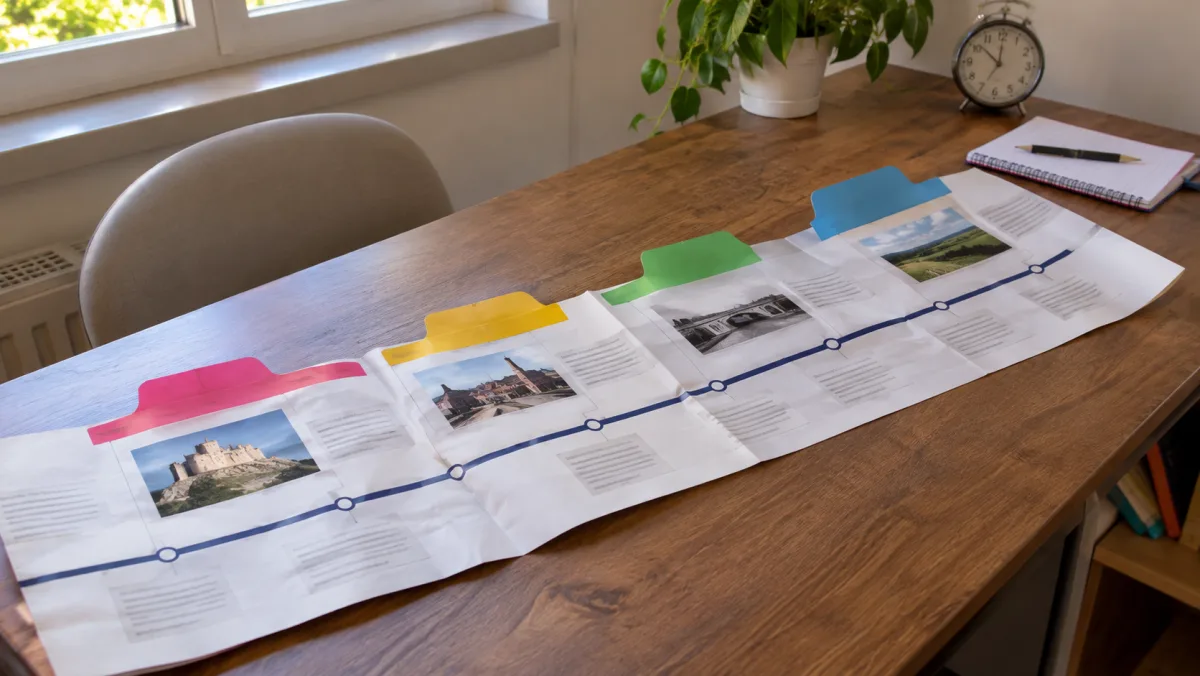
From beginner to NCLC 7: plan the work, not just the hours
Separate class hours, independent practice and test readiness when estimating your route from beginner French.