
Six hours a week for French: make the schedule honest
An example of a balanced six-hour week, with a clear distinction between class time and the total workload.
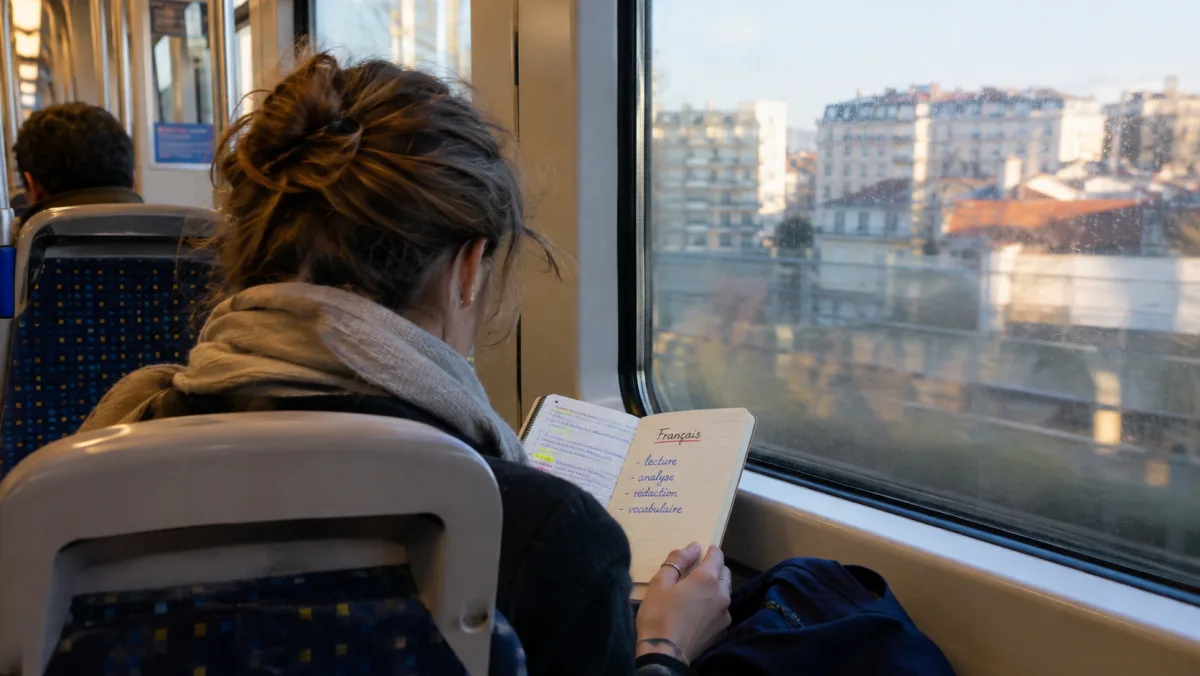
Six hours a week can support meaningful progress in French. What it cannot do is establish a universal deadline for reaching B2, especially when “six hours” sometimes means classes alone and sometimes means all available study time.
Count the whole workload. Six class hours plus independent practice is a different plan from six total hours.
Start with the week you actually have
List reliable time blocks before choosing an ambitious target. Include work travel, family commitments and the days when concentration is usually low. A plan based on an exceptional quiet week will be difficult to repeat.
Here is one example for six total hours, not a guaranteed route to a level:
| Activity | Weekly time |
|---|---|
| Guided class or structured lesson | 2 hours |
| Listening with a review task | 1 hour |
| Speaking and spoken recall | 1 hour |
| Reading and vocabulary reuse | 1 hour |
| Writing and revision | 1 hour |
The balance should change according to your level and feedback. A learner with strong reading but hesitant speaking needs a different emphasis from someone struggling to follow basic audio.
Give short sessions a specific job
A short session works best with a clear outcome: summarize one recording, retrieve five useful expressions or revise one paragraph. Opening several apps without completing a task can consume the same time with little evidence of learning.
Commuting can provide extra listening or review time when it is safe and practical. It does not replace every kind of concentrated practice, especially speaking aloud or writing with feedback.
Review the plan before blaming yourself
If the schedule repeatedly fails, reduce its complexity. Preserve a small routine and adjust the expected timeline rather than pretending missed work does not matter.
Progress towards B2 depends on the starting point, quality of practice and consistency across skills. Assess these periodically. A realistic schedule should help you continue through busy periods, while leaving room to revise the goal when the evidence changes.
Want to identify your next learning priorities? Contact Global French Education to discuss your current level and course options.
Read next

Your first French conversation circle in Toronto
A practical guide to finding a French conversation circle and taking your first turn, with phrases you can use when you arrive.
Missed a phrase in French? Keep listening
Listen to a short message about a changed appointment. Catch the new time even if part of the message goes by too fast.
From beginner to NCLC 7: plan the work, not just the hours
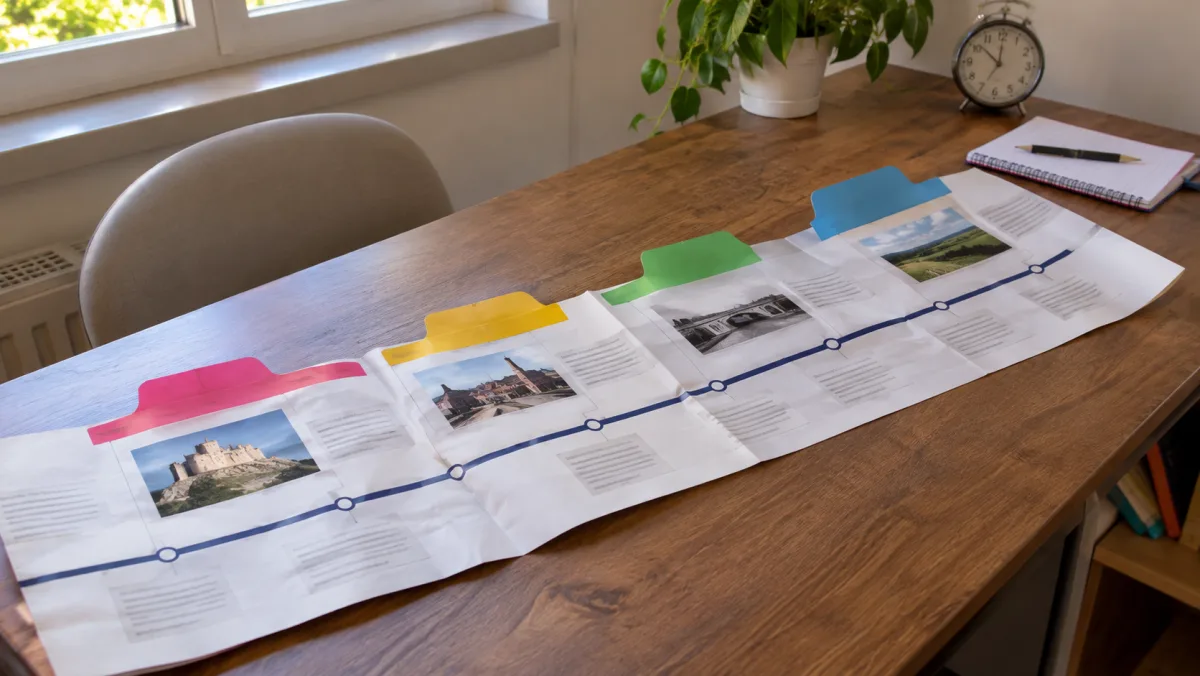
Separate class hours, independent practice and test readiness when estimating your route from beginner French.